
Posts and pads
A post stands on a pad, which spreads its load onto the soil. Old pier blocks can crack or tilt and old posts can rot at the base. New posts on new pads replace failed ones, set where the framing above needs support.
Typical cost in Burien
When a floor bounces or dips, the answer may be underneath: the posts, pads, girders, joists and sill plate that hold a crawlspace house up. Burien Foundation Repair goes under the house to see what has failed before proposing anything.
The service reaches Burien, SeaTac and Normandy Park. Burien’s median house dates from 1966, and about 29 percent of its homes date from 1960 to 1979, so the supports under many floors have had a long time to age.
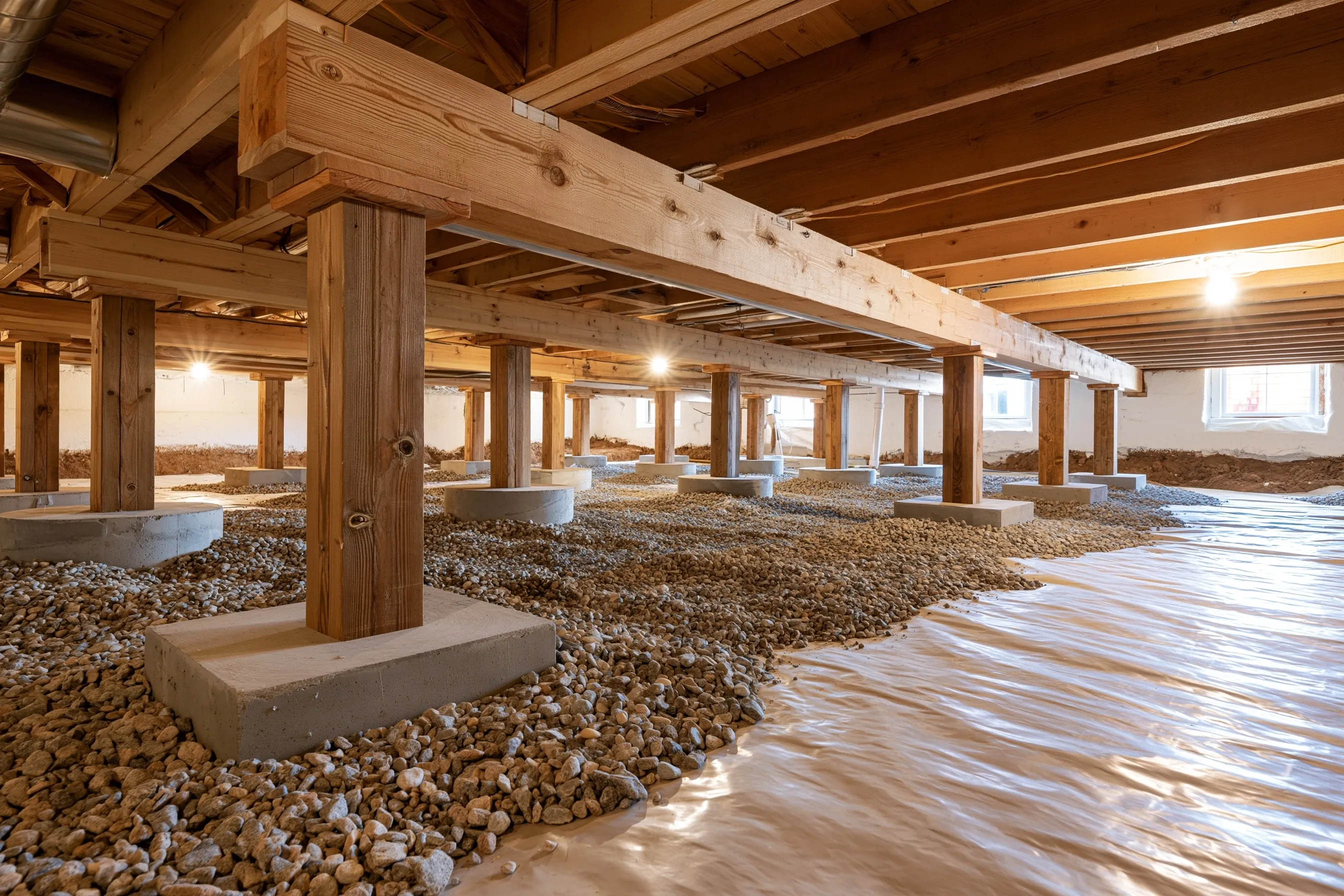
A post stands on a pad, which spreads its load onto the soil. Old pier blocks can crack or tilt and old posts can rot at the base. New posts on new pads replace failed ones, set where the framing above needs support.
The girder is the main beam that carries the joists, and the joists carry the floor. A sag shows up as a dip in the floor above. What to do depends on whether the timber is sound and merely unsupported, or damaged.
The sill plate sits on the foundation and carries the wall framing. Wood that stays damp decays, so a sill that has been wet may need attention. What to do about it is decided from what is found on site.
From above, the signs are a dip in a hallway, a bounce when someone crosses the room, a dining table that tilts, or a doorframe that has racked. From below, you may see a post leaning, a girder with a visible bow, or a gap between a post and the beam it should be holding.
These signs do not all mean the same thing. A floor can slope because a post has failed, because the soil under a pad has moved, or because the foundation has settled, and the foundation settlement and piering page covers the last case. Sorting these out is the first job.
The parts run from the ground up. Pads sit on the soil, posts on the pads, girders on the posts, joists across the girders and the floor on the joists. The sill plate is the odd one out, lying on the foundation wall around the edge.
A Forest Service decay manual makes the general point that wood kept damp for any length of time is infected by fungi that cause decay and reduce its strength. Under a house that translates into one task, finding the damp wood, before anyone decides what to replace.
Federal Building America guidance makes two points that shape this section. A sealed plastic ground cover belongs in a crawlspace whether or not it is vented, and in vented ones bulk water from grading, a missing perimeter drain or gutter trouble dominates the moisture.
So a ground cover is a moisture measure and not a cure for standing water. If water comes in, the drainage page covers where it comes from.
A crawlspace can be low, wet or tight, and access shapes the job. We look at the entry, the clearance and the ground before scoping the work.
New supports are added where the plan places them, and loads are taken up in small steps. We do not promise to bring a sloping floor back to level, because the framing and the finishes above may not allow it.
Crawlspace repair is priced from what is under the house. The factors:
Burien’s building code requires a permit to alter or repair a building, and its ordinary-repairs exception leaves out removing or cutting a structural beam or a load-bearing support. Replacing a post or a beam falls near that line, so ask the city before work whether the job needs a permit.
On a lot the city treats as a critical area, steep slope or landslide hazard area, the permit exemptions do not apply. Confirm the current text with the permit center.
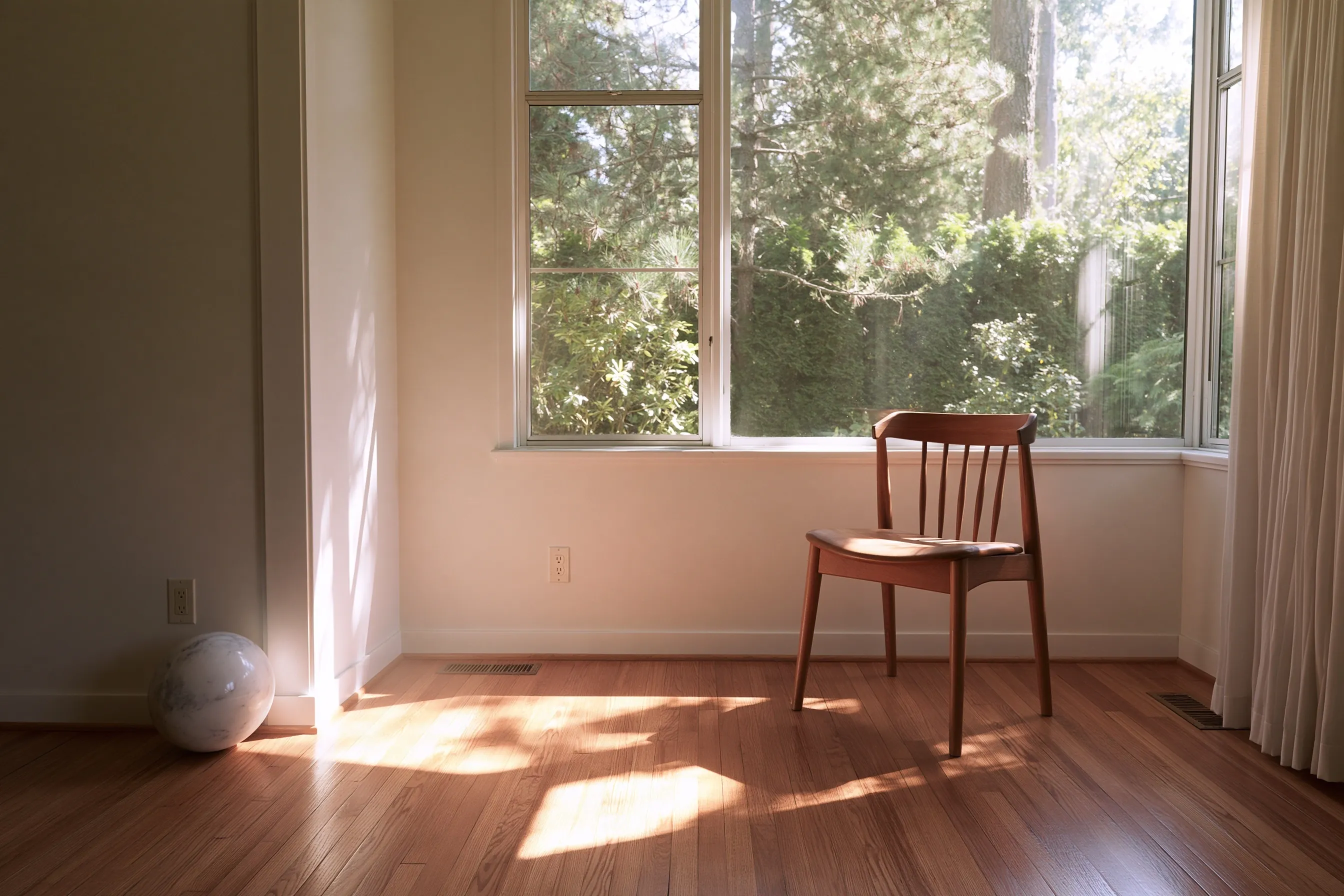
A floor can bounce when its girder or joists are not well supported, when a post has failed or when wood has been damaged by damp. It takes a look underneath to tell which.
The repair can be new support under the floor, which does not lift the house. We do not promise a sloping floor will return to level.
Building America guidance calls for a sealed ground cover whether the space is vented or not. It does not replace fixing the drainage if bulk water is getting in.
Bolts only grip sound wood, which is why a rotted sill is a crawlspace repair first and a retrofit second; seismic retrofit and foundation bolting picks up from there. Cracks, piers and drainage have their own pages, all linked from the Burien Foundation Repair home page.
Where does the floor dip or bounce, and for how long have you noticed it? We'll get back to you soon with an estimate or any questions we have. Estimates are free and there's no obligation.
Call (253) 352-3724